
Research Projects
Landscape and Ecosystem Ecology
LandscapeU
Roots and Nutrient Cycling. Understanding belowground dynamics of forested ecosystems remains a research frontier in ecosystem and landscape ecology. Research in this area by our group explores how spatial patterns (e.g., in vegetation type, species, microbial communities, or soil characteristics) govern processes such as root lifespan, nutrient cycling, or ecosystem productivity. We also show how disturbances can reshape these biogeochemical interactions. This research brings together novel techniques in observation (e.g., remote sensing), experimentation (e.g., fertilization experiments) and spatial statistics and machine learning to understand these interactions at scales from micrometers to landscapes.
SELECTED PRODUCTS:
- Smithwick EAH, Baka J, Bird D, Blaszscak-Boxe C, Cole, Charles A., Fuentes, JD, Gergel S, Glenna L, Grady D, Graefe A, Hunt C, Iulo, LD, Kaye J, Keller K. 2023. Regenerative Landscape Design: An Integrative Framework to Enhance Sustainability Planning, Ecology and Society, 28(4) https://doi.org/10.5751/ES-14483-280405

Belowground Dynamics
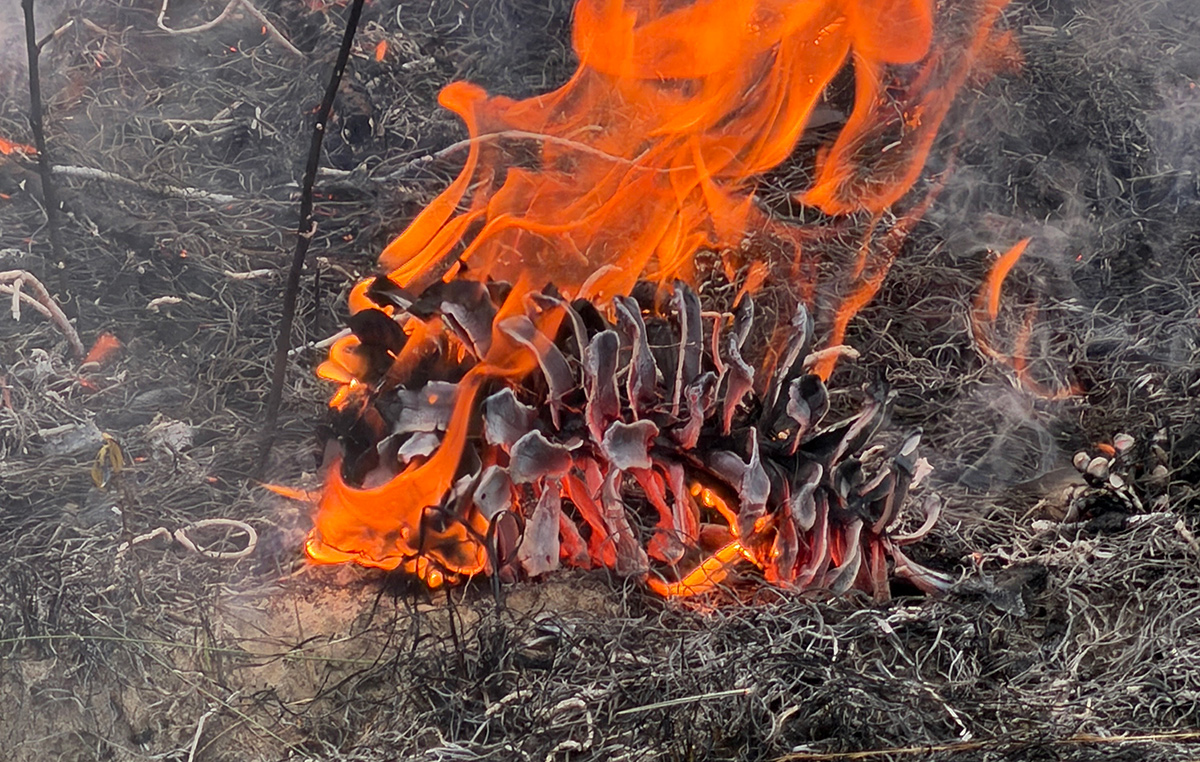
Roots and Nutrient Cycling. Understanding belowground dynamics of forested ecosystems remains a research frontier in ecosystem and landscape ecology. Research in this area by our group explores how spatial patterns (e.g., in vegetation type, species, microbial communities, or soil characteristics) govern processes such as root lifespan, nutrient cycling, or ecosystem productivity. We also show how disturbances can reshape these biogeochemical interactions. This research brings together novel techniques in observation (e.g., remote sensing), experimentation (e.g., fertilization experiments) and spatial statistics and machine learning to understand these interactions at scales from micrometers to landscapes.
SELECTED PRODUCTS:
- Smithwick EAH. 2021. Chapter 7: Nutrient Flows on Landscapes. Routledge Handbook of Landscape Ecology, Taylor and Francis, Group; Francis R., Millington, J., Perry G., Minor, E., eds. Routledge, 502pp, ISBN 9780367024567.
- Baldwin D*, Manfreda S, Lin H, Smithwick EAH. 2019. Estimating spatial and temporal variation of root zone soil moisture across a temperate forested catchment with remote sensing data and simple hydrologic models. Remote Sensing 11(17), 2013, https://doi.org/10.3390/rs11172013.
- Baldwin D*, Manfreda S, Keller K, Smithwick EAH. 2017. Predicting root zone soil moisture with soil properties and satellite near-surface moisture data across the conterminous United States, Journal of Hydrology 546:393-404, http://dx.doi.org/10.1016/j.jhydrol.2017.01.020
- Smithwick EAH, Baldwin DC*, Naithani KJ*. 2016. Grassland productivity in response to nutrient additions and herbivory is scale-dependent, PeerJ 4:e2745; DOI 10.7717/peerj.2745
- McCormack ML*, Crisfield E*, Raczka B, Schnekenburger F, Eissenstat DM, Smithwick EAH. 2015. Sensitivity of four ecological models to adjustments in fine root turnover rate. Ecological Modeling 297: 107-117. doi:10.1016/j.ecolmodel.2014.11.013
- Smithwick EAH, ML McCormack*, M Lucash, G Sivandran. 2014. Improving the representation of roots in terrestrial models. Ecological Modelling 291: 193-204. doi:10.1016/j.ecolmodel.2014.07.023
- McCormack ML*, Adams TS, Smithwick EAH, Eissenstat DM. 2014. Variability in root production and root phenology alter estimates of fine root turnover rate. Ecology 95: 2224-2235. http://dx.doi.org/10.1890/13-1942.1
- McCormack ML*, Eissenstat DM, Prasad AM, Smithwick EAH. 2013. Regional scale patterns of fine root lifespan and turnover under current and future climate. Global Change Biology 19(6): 1697-1708. doi: 10.1111/gcb.12163
- Smithwick EAH, Eissenstat DM, Lovett G, Bowden R, Rustad L, and Driscoll C. 2013. Root Stress and Nitrogen Deposition: Consequences and Research Priorities New Phytologist 197 (3): 712-719. doi: 10.1111/nph.12081
- Smithwick EAH, Naithani KJ*, Balser TC, Romme WH, and Turner MG. 2012. Fine-Scale Spatial Distribution of Microbial Communities and Soil Nitrogen Cycling Following Wildfire. PLoS One, 7(11):e50597. doi:. 10.1371/journal.pone.0050597
- McCormack ML*, Adams TS, Smithwick EAH, Eissenstat DM. 2012. Predicting fine root lifespan from functional traits in temperate trees. New Phytologist 195(4): 823-831. doi: 10.1111/j.1469-8137.2012.04198.x
- Cleveland MR*, Smithwick EAH, Wardrop DH, Brooks RB. 2011. The wetland disturbance index: links with soil and water nitrate concentrations. Wetlands 31(5):853-863. doi: 10.1007/s13157-011-0200-9
- Homann PS, Harmon ME, Remillard SM, Smithwick EAH. 2005. What the soil reveals: Maximum ecosystem C stores of the Pacific Northwest region, USA. Forest Ecology and Management 220: 270-283. doi: 10.1016/j.foreco.2005.08.035
Carbon Storage and Management
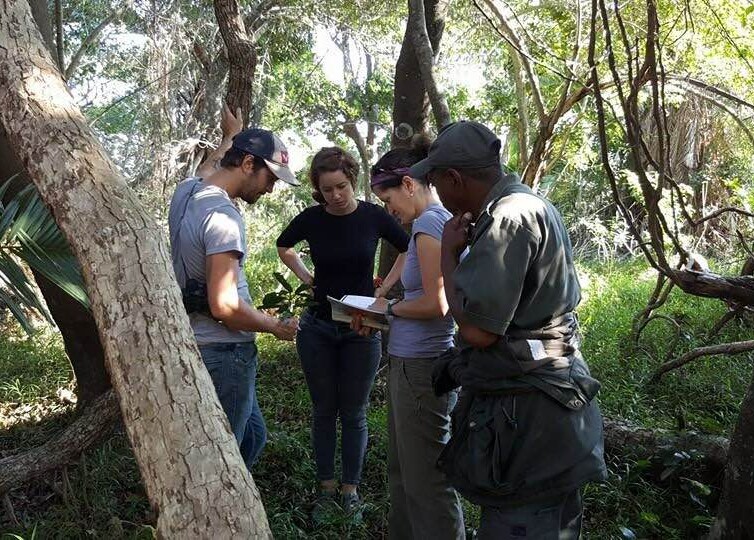
Quantification of the amount of carbon stored in forested ecosystems is necessary to inform nature-based solutions to mitigate climate change or inform carbon offset strategies. However, predicting carbon storage across spatially heterogeneous landscapes is challenging due to patterns in disturbances, which can be uncertain, and due to biophysical characteristics that can vary significantly across space and time. Emergent dynamics (surprises) can occur at landscape levels if these internal landscape patterns and their spatial or scalar interactions are not accounted for. Research in the Smithwick lab uses models and field measurements to better refine estimates of carbon stocks in forested ecosystems. Research results demonstrate that, in addition to these biophysical drivers, social factors such as landscape management decisions and sustainable development objectives are critical drivers of landscape-level carbon storage.
SELECTED PRODUCTS:
- Smithwick EAH. 2019. Carbon stocks and biodiversity of coastal lowland forests in South Africa: implications for aligning sustainable development and carbon mitigation initiatives. Carbon Management 10 (4): 349-360. https://doi.org/10.1080/17583004.2019.1620035
- Smithwick EAH, Harmon ME, Domingo JB. 2006. Changing temporal patterns of forest carbon stores and net ecosystem carbon balance: The stand to landscape transformation, Landscape Ecology 22(1): 77-94. doi: 10.1007/s10980-006-9006-1
- Smithwick EAH, Harmon ME, Domingo JB. 2003. Modeling multi-scale effects of light limitations and edge-induced mortality on carbon stores in forest landscapes. Landscape Ecology 18(7): 701-721 doi: 10.1023/B:LAND.0000004254.94982.67
- Smithwick EAH, Harmon ME, Acker SA, Remillard SM. 2002. Potential upper bounds of carbon stores in the Pacific Northwest. Ecological Applications 12(5): 1303-1317. doi: 10.1890/1051-0761(2002)012[1303:PUBOCS]2.0.CO;2
FUNDING EXAMPLES:
- National Science Foundation-DEB (EAGER). Spatial patterns of nutrient limitation and carbon storage in South African coastal lowland landscapes. Principal Investigator, 7/1/09-30,675)
- National Science Foundation-DEB (REU-EAGER). Spatial patterns of nutrient limitation and carbon storage in South African coastal lowland landscapes. Principal Investigator, 8/1/10 – 7/31/12, ($15,500)
- NASA Research Opportunities in Space and Earth Sciences. Influence of disturbance and seasonality on regional carbon flux upscaling. Principal Investigator, 7/1/2011 to 6/30/2014, ($883,605)
Biodiversity and Wildlife
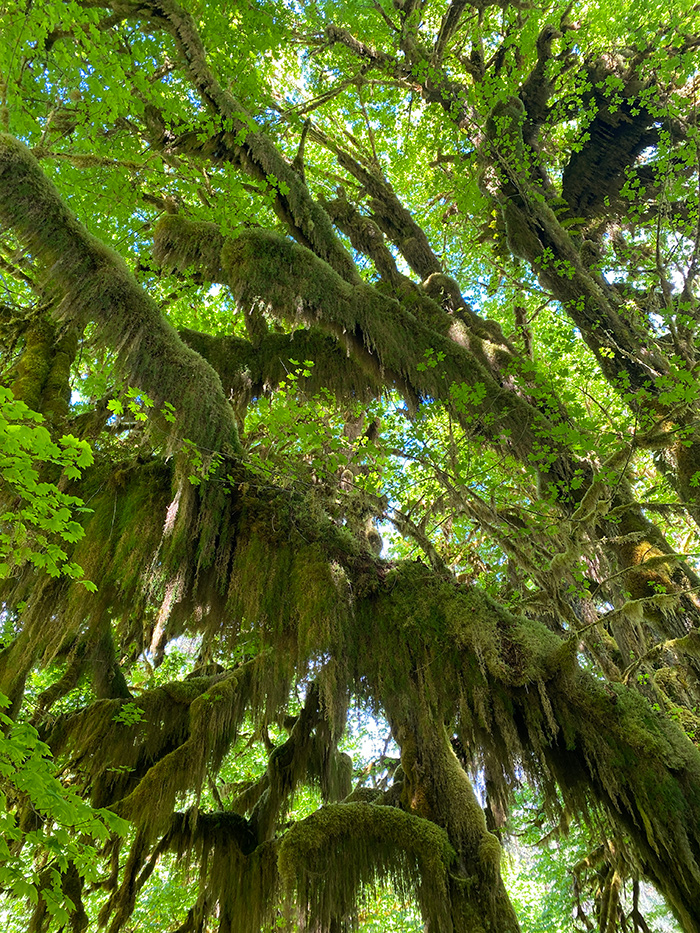
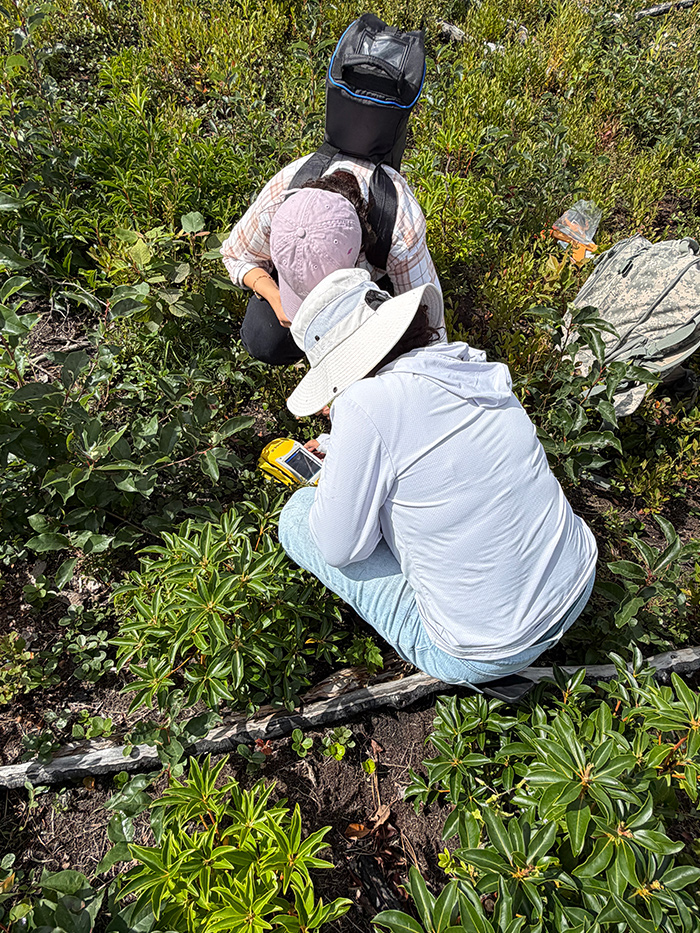
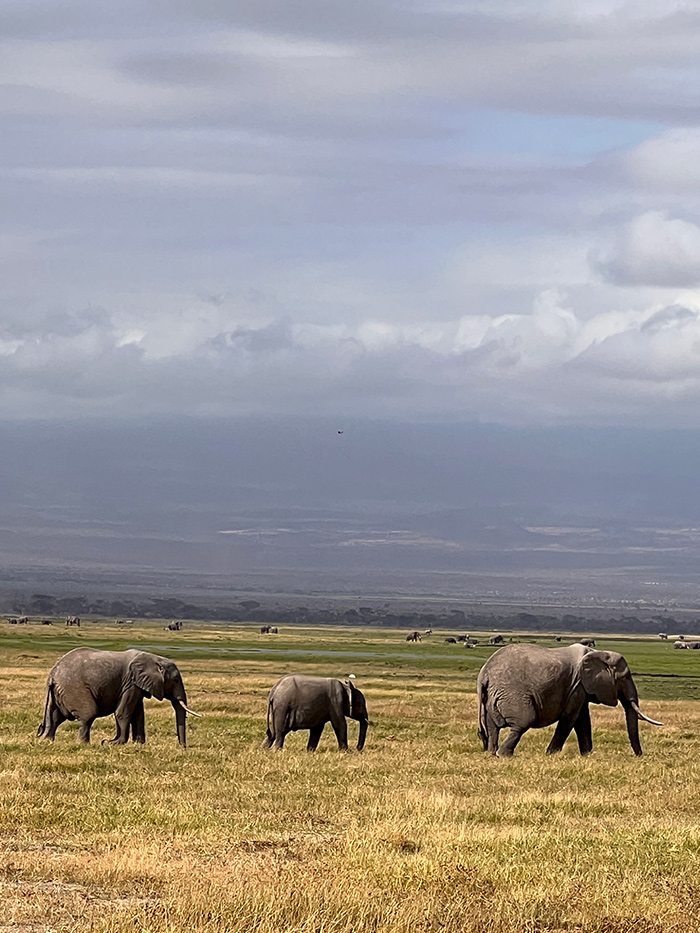
Animals both create and are affected by landscape patterns. Work in Kruger National Park in South Africa shows that herbivore assemblage is driven by interactions between feeding traits, trophic interactions, and biophysical patterns in water availability and vegetation productivity. In the Eastern U.S., herbivore dynamics are reshaping plant composition and invasive species abundance in Eastern forests.
SELECTED PRODUCTS:
- Young C, Fritz H, Smithwick EAH, Venter J. 2020. Patch-scale selection patterns of grazing herbivores in the central basalt plains of Kruger National Park. African Journal of Range & Forage Science 37 (3): 199-213. https://doi.org/10.2989/10220119.2020.1733084
- Young C, Fritz H, Smithwick EAH, Venter J. 2019. The landscape-scale drivers of herbivore assemblage distribution on the central basalt plains of Kruger National Park. Journal of Tropical Ecology 36(1):13-28, https://doi.org/10.1017/S0266467419000312.
- Averill KM*, Mortensen DA, Smithwick EAH, Kalisz S, McShea WJ, Bourg NA, Parker JD, Royo AA, Abrams MD, Apsley DK, Blossey B, Boucher CH, Caraher KL, DiTommaso A, Johnson SE, Masson R, Nuzzo VA. 2018. A regional assessment of white-tailed deer effects on plant invasion. AoB Plants 10(1), plx047, doi:10.1093/aobpla/plx047
- Averill KM*, Mortensen DA, Smithwick EAH, Post E. 2016. Generalist herbivore feeding selectivity is plant species-specific, regardless of nature/introduced status. Biological Invasions 18(5): 1247-1263. DOI: 10.1007/s10530-016-1063-z
FUNDING EXAMPLES:
- The National Socio-Environmental Synthesis Center (SESYNC). Landscape diversity and dietary diversity. Co-Principal Investigator (Principal Investigator: Sarah Gergel), 03/01/2017 – 08/31/2017, ($21,541)
Landscape Patterns and Human Health
Although landscape fragmentation has long been associated with vector-borne diseases, the interactions between landscape patterns and human health are largely unknown. This is of particular concern for the African continent, where land use changes, emerging tropical diseases, and nutritional deficiencies and hunger are of great concern. Research in Ghana has explored these patterns for Buruli Ulcer, relating incidence of the disease to land use changes associated with alluvial gold mining. At a regional level, collaborative research has signaled the importance of forest patterns, not just amounts, on dietary diversity. At a continental scale, our group has shown that protected area management influences the incidence of malaria. In the Eastern U.S. landscape fragmentation is interacting with changing host habitats, land management strategies, and climate change. Research in our group has shown that disease risk can be either enhanced or mitigated by these landscape-level factors. For example, prescribed fire management may reduce tick abundance for a short period of time, although long-term dynamics are less clear. Collectively, research in this theme reveals the tight connection between landscape form and function and human health.
SELECTED PRODUCTS:
- Gergel S, Powell B, Baudron F, Wood SLR, Rhemtulla J, Kennedy G, Rasmussen L, Ickowitz A, Fagan M, Smithwick EAH, Rainieri J, Wood, S A, Groot JCJ, Sunderland TCH. 2020. Conceptual linkages between landscape diversity and diet diversity: a roadmap for transdisciplinary research. Bioscience, biaa048, https://doi.org/10.1093/biosci/biaa048
- Rasmussen LV, Fagan M, Ickowitz A, Wood S, Kiennedy G, Powell B, Baudron F, Gergel S, Jun S, Smithwick EAH, Sunderland T, Wood S, Rhemtulla J. 2019. Forest pattern, not just amount, influences dietary quality in five African countries. Global Food Security, Available online 31 October 2019, 100331. https://doi.org/10.1016/j.gfs.2019.100331
- Tschakert P, Ricciardi V, Smithwick EAH, Machado M, Ferring D, Hausermann H, Bug L. 2016. Situated knowledge of pathogenic landscapes in Ghana: understanding the emergence of Buruli ulcer through qualitative analysis. Social Science and Medicine 150: 160-171. http://dx.doi.org/10.1016/j.socscimed.2015.12.005
- Wu J*, Smithwick EAH. 2016. Landscape fragmentation as a risk factor for Buruli ulcer disease. American Journal of Tropical Medicine and Hygiene 95(1): 63-69. doi: 10.4269/ajtmh.15-0647
- Hagarty J, Azanu D, Atosona B, Voegborlo R, Smithwick EAH, Singha K. 2015. Chemistry of natural waters and its relation to Buruli Ulcer in Ghana. Journal of Hydrology: Regional Studies 3: 457-472. doi:10.1016/j.ejrh.2015.03.006
- Wu, J*, Smithwick EAH, Ferring D, Hausermann H, Oppong J, Ricciardi V, Tschakert P 2015. Buruli Ulcer (BU) and landscape disturbance in Ghana 2007-2010. Data set. Available online [http://www.datacommons.psu.edu/] at The Pennsylvania State University, University Park, Pennsylvania, U.S.A. doi:10.13014/D3G44N6X
- Taber E* and Smithwick EAH. 2015. Influence of protected areas on malaria prevalence in sub-Saharan Africa. Applied Geography 64:35-45. doi:10.1016/j.apgeog.2015.09.001
- Wu J*, Tschakert P, Klutse E, Ferring D, Ricciardi V, H Hausermann H, Oppong J, Smithwick EAH. 2015. Buruli ulcer disease and its association with land cover in Southwestern Ghana. PLoS Neglected Tropical Disease 9(6):30003840. doi: 10.1371/journal.pntd.0003840
- Hausermann H, Tschakert P, Smithwick EAH, Ferring D, Amankwah R, Klutse E, Hagarty J, Kromel L. 2012. Contours of risk: spatializing human behaviors to understand disease dynamics in changing landscapes. EcoHealth (9): 251-255, doi:10.1007/s10393-012-0780-8.
- Taber ED*, Hutchinson, ML, Smithwick EAH, Blanford JI. 2017. A decade of colonization: the spread of the Asian Tiger Mosquito in Pennsylvania and Implications for disease risk. Journal of Vector Ecology42(1): 3-12. Spencer et al. in prep
FUNDING EXAMPLES:
- Penn State Human Health and Environment Seed Grant. From environmental change to left-behind children’s well-being in rural highlands: the nexus of pasture productivity, family processes, labor migrants, and child development. Co-Principal Investigator (Principal Investigator: Guangqing Chi), 07/01/2017 – 6/30/2019, ($50,000)
- National Science Foundation CNH. Climatic extremes, mining, and Mycobacterium ulcerans: a coupled systems approach. Co-Principal Investigator, (Principal Investigator: Petra Tschakert), 10/09- 8/31/14 ($1,421,997)